 openaccessexchange@gmail.com
 Mon - Fri: 9 AM to 8 PM



Beyond Gigawatts: Why India’s Clean Energy Future Depends on Storage Intelligence
India has firmly proven its ability to scale renewable energy generation at a massive pace, pushing total non-fossil capacity past the 300 GW mark. However, as the grid absorbs higher shares of variable solar and wind power, the core challenge is no longer just adding raw gigawatts—it is about system coordination, flexibility, and operational efficiency.
Key Takeaways & Industry Drivers:
-
Beyond Capacity Metrics: While physical size indicators like gigawatts and gigawatt-hours matter, the future value of clean energy depends on utilization, responsiveness, and grid services.
-
The Role of BESS: Battery Energy Storage Systems (BESS) are essential for bridging the gap between peak daytime solar generation and evening demand surges.
-
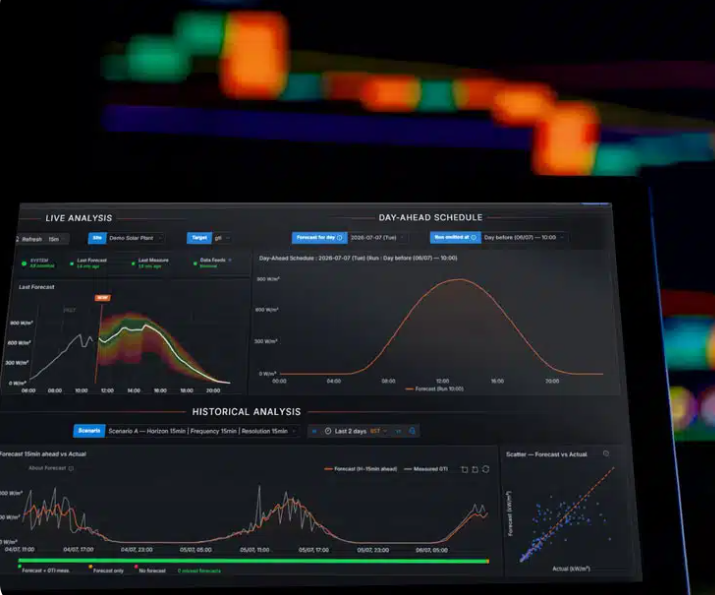
The Intelligence Layer: Hardware creates physical flexibility, but advanced software orchestration and intelligent energy management systems (EMS) determine how much of that flexibility the grid can actually harness.
To fully realize this next phase of the transition, the focus must shift from pure volume expansion to intelligent infrastructure integration. As renewable penetration deepens, grid operators and independent power producers face the daily reality of curtailment risks, duck curves, and frequency fluctuations.
Addressing these complexities requires a three-pronged approach:
-
Advanced Hybridization: Combining solar and wind installations with co-located battery storage right at the asset level ensures predictable power delivery and helps mitigate transmission congestion.
-
Data-Driven Dispatch: Leveraging AI-powered forecasting and automated trading platforms enables operators to predict generation patterns and optimize power dispatch in real time, capturing maximum value in dynamic energy markets.
-
Policy and Market Evolution: Regulatory frameworks must evolve to properly value ancillary grid services—such as fast-frequency response and peak load shifting—incentivizing developers to invest in smarter, highly flexible assets.
Ultimately, India’s clean energy leadership in the coming decade will be defined not by how many gigawatts are installed on paper, but by how intelligently those gigawatts are managed, stored, and delivered to power a 24/7 economy.