 openaccessexchange@gmail.com
 Mon - Fri: 9 AM to 8 PM


Bridge or Barrier? Decoding India's Strategic Bet on Supercritical Coal Technology
 May 5, 2026
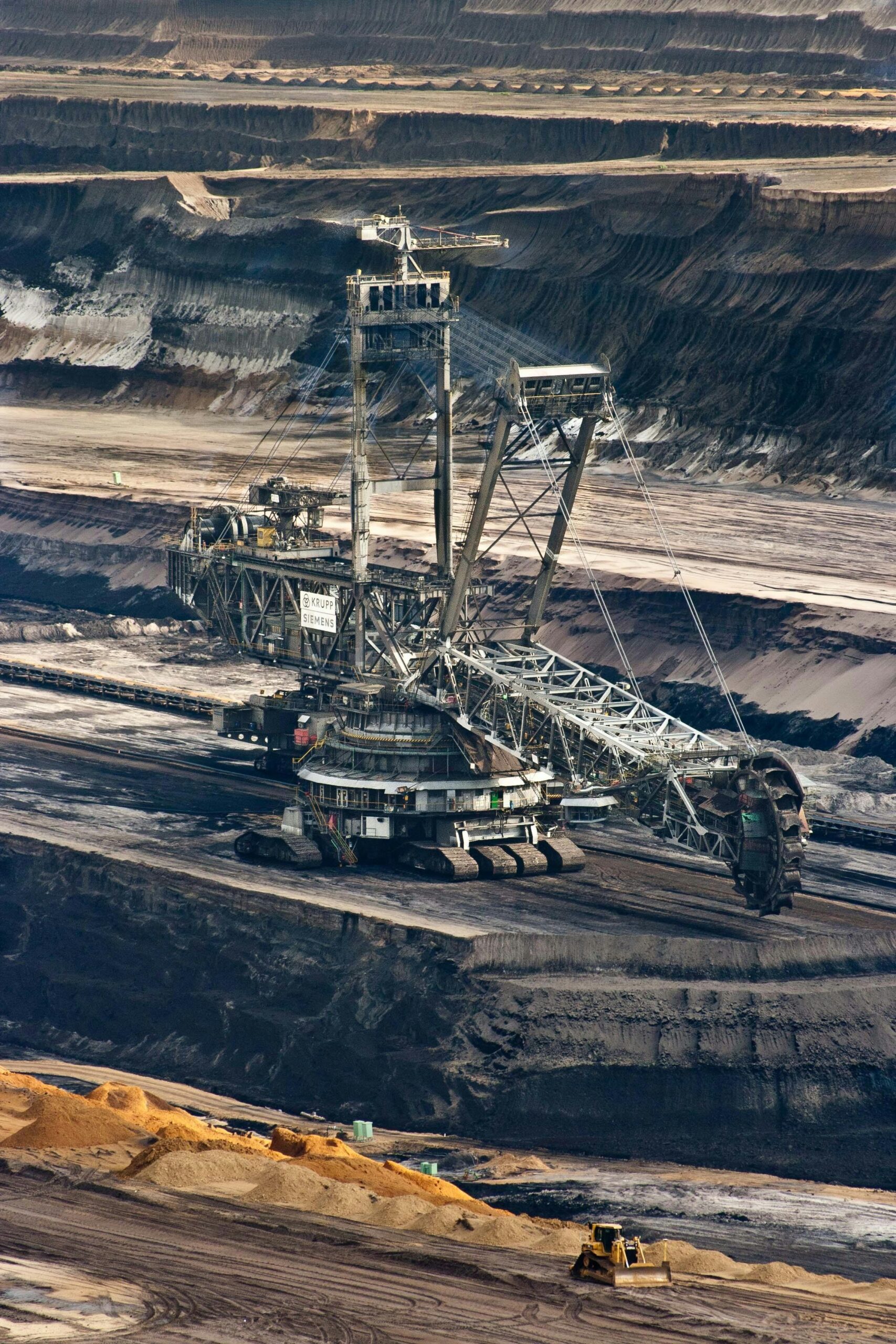
A recent feature by Finshots dives into a controversial yet critical pillar of India’s energy strategy: the bet on “Cleaner Coal.” Despite the global push for a total fossil fuel exit (as seen in the Santa Marta talks), India is navigating a unique reality. With peak demand hitting record highs of 256 GW, the country is finding that solar and wind—while growing at breakneck speed—still require a “firm” baseload to keep the grid from collapsing at night. Enter the new generation of Supercritical and Ultra-Supercritical (USC) thermal plants.
The logic behind “cleaner coal” isn’t that it’s carbon-neutral, but that it is significantly more efficient. Traditional coal plants are essentially giant kettles; supercritical plants operate at much higher temperatures and pressures, squeezing more electricity out of every gram of coal. This reduces $CO_2$ emissions by about 10–15% compared to older units. Finshots highlights that India is not just building new plants but aggressively retiring vintage, polluting units and replacing them with these high-efficiency models to balance the grid as more intermittent solar comes online. Beyond high-efficiency burning, the government is also pushing for Coal Gasification. This technology converts coal into “syngas,” which can be used to produce chemicals, fertilizers, or even hydrogen, potentially offering a way to use India’s massive domestic coal reserves with a lower direct environmental impact than traditional combustion. While critics argue this “locks in” fossil fuel use for decades, the Finshots analysis suggests that for a developing economy like India, cleaner coal is currently being treated as the “necessary bridge” to ensure that the lights stay on while the massive battery storage infrastructure catches up.