 openaccessexchange@gmail.com
 Mon - Fri: 9 AM to 8 PM



Execution Headwinds and Grid Bottlenecks Could Slow India’s Record Renewable Growth
 April 21, 2026
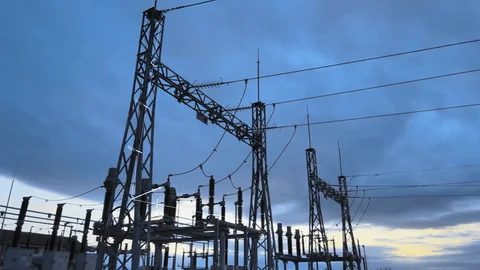
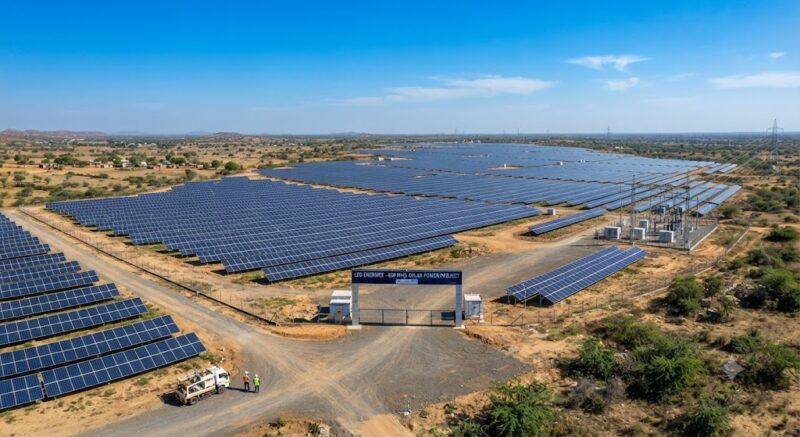
India’s record-breaking pace in renewable energy capacity addition—reaching approximately 43.2 GW in FY26—is likely to face a strategic moderation in the coming year. A recent report highlights that while generation is scaling at a historic rate, the transmission infrastructure is struggling to keep pace, creating significant “evacuation bottlenecks.” Industry analysts point to Power Grid Corporation of India Ltd (PGCIL), which manages roughly 84% of the country’s inter-regional capacity, as being at the center of this execution challenge. The delays are not due to a lack of intent or capital; PGCIL is currently executing an aggressive ₹3 trillion (₹3 lakh crore) capex program through 2032. However, on-ground execution remains hampered by persistent Right-of-Way (RoW) disputes, land acquisition hurdles, and forest clearances. These “physical” roadblocks have led to a nearly 42% shortfall in transmission line targets for the past fiscal year. In critical hubs like Rajasthan, the gap between project applications and planned grid capacity is widening, leading the Central Electricity Regulatory Commission (CERC) to recently grant some developers the right to withdraw projects without financial penaltie.
For investors and industry stakeholders, these bottlenecks represent a material risk to profitability. Under the current tariff-based competitive bidding (TBCB) framework, projects only generate returns once they are commissioned. A one-year delay can erode the equity internal rate of return (IRR) by as much as 200 basis points. While the long-term fundamentals of India’s power sector remain stable—supported by a rebound in electricity demand projected at 5% for FY27—the near-term narrative is shifting from “capacity addition” to “execution efficiency.”