 openaccessexchange@gmail.com
 Mon - Fri: 9 AM to 8 PM


From Load Shedding to Load Balancing: Chhattisgarh’s New Resource Adequacy Framework
 April 17, 2026
The Chhattisgarh State Electricity Regulatory Commission (CSERC) has taken a bold step toward grid modernization by notifying the Resource Adequacy Regulations, 2026. This new framework mandates that all distribution licensees (DISCOMs) in the state move away from year-to-year planning and instead adopt a disciplined, 10-year long-term roadmap. The goal is clear: ensure a 24/7 reliable power supply by scientifically integrating renewable energy and battery storage into the state’s core energy portfolio.
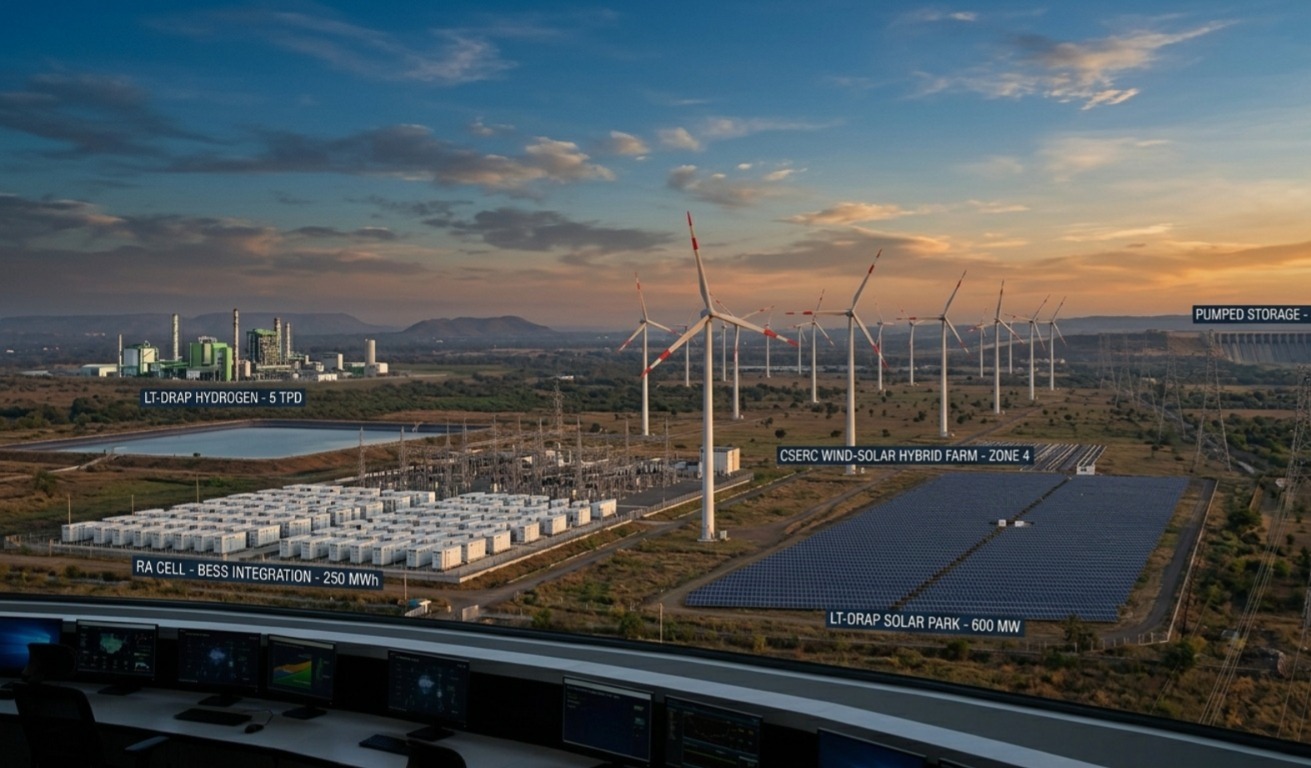
Under these rules, utilities must now maintain a “balanced” procurement strategy. They are required to secure 75–80% of their power via long-term contracts, limiting their exposure to the volatile short-term market. This is particularly significant for the renewable sector, as the regulations introduce a “Capacity Credit” mechanism. Instead of just counting total megawatts, this system calculates the actual contribution of solar and wind to the grid’s peak load based on historical data. This effectively rewards reliable, hybrid, or storage-backed projects that can deliver power when the state needs it most.
The framework also looks toward the future of consumption. DISCOMs must now use advanced data analytics to forecast demand, accounting for emerging trends like Electric Vehicle (EV) adoption and decentralized energy resources. By requiring utilities to contract storage capacity from Battery Energy Storage Systems (BESS) or Pumped Storage Projects, Chhattisgarh is positioning itself to handle the “duck curve”—the period when solar production drops off just as evening demand peaks. For developers and C&I consumers in the state, this means a more stable grid, more predictable tariffs, and a clear regulatory “green light” for storage-integrated projects.