 openaccessexchange@gmail.com
 Mon - Fri: 9 AM to 8 PM


How Scaling Renewables Can Protect India from Global Oil Price Shocks and Fiscal Stress
 April 29, 2026
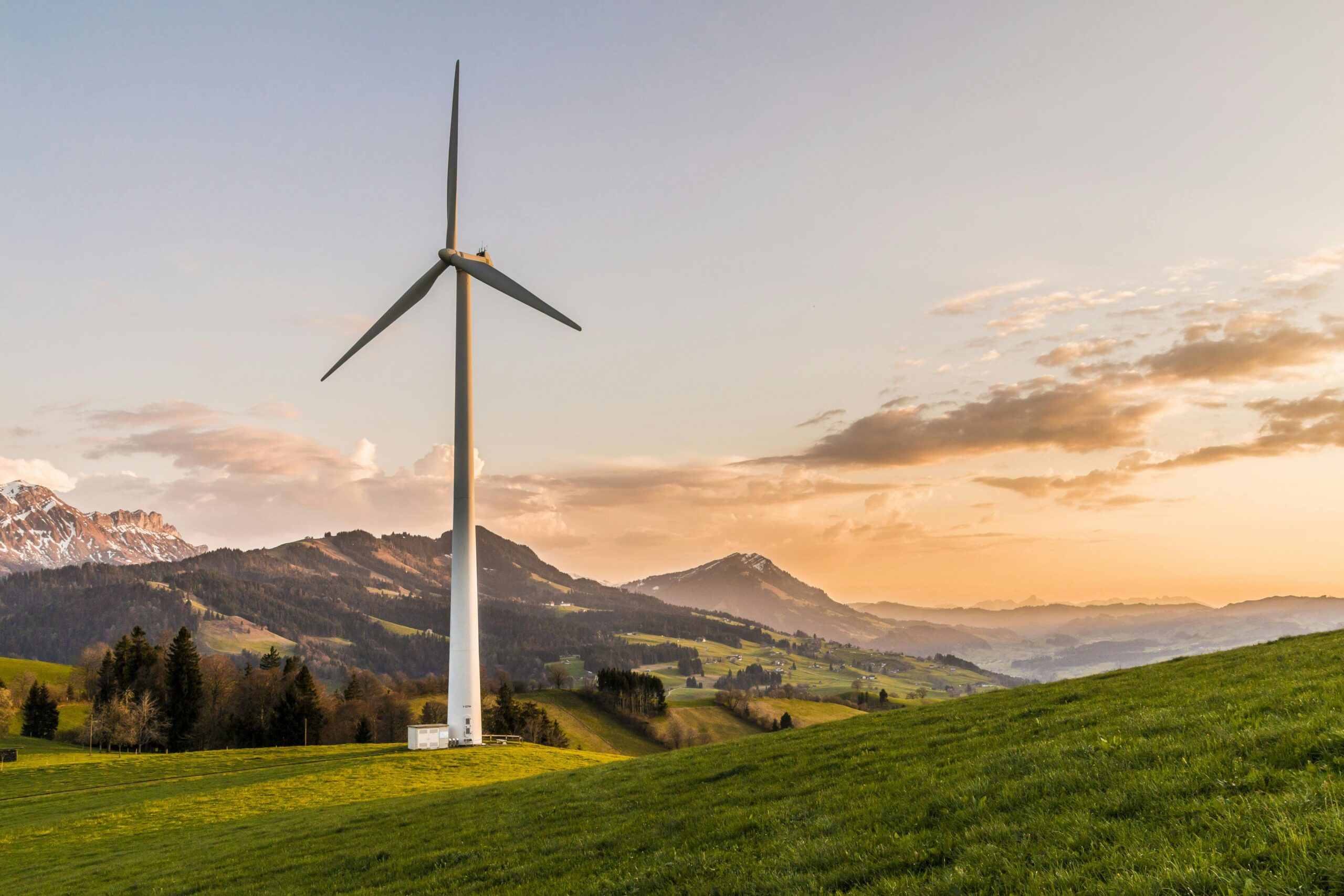
The IISD report argues that scaling up clean energy is no longer just an environmental imperative but a fundamental economic shield. By redirecting even a portion of current fossil fuel subsidies toward renewables, grid upgrades, and storage, India can structurally reduce its exposure to the volatile global liquefied petroleum gas (LPG) and oil price shocks that currently drain public balance sheets. The analysis notes that while coal and gas are often used as “shock absorbers” during crises, they reinforce long-term vulnerability by locking in expensive infrastructure and maintaining a heavy dependence on imports. Furthermore, the IISD highlights that the economic case for agricultural solarization—specifically through the PM-KUSUM scheme—is exceptionally strong. By transitioning irrigation to solar power, the government can drastically cut electricity subsidies for farmers while providing them with a reliable, daytime energy source that can actually generate income. As India targets 500 GW of non-fossil capacity by 2030, the report calls for a shift toward “targeted social protection” for low-income households rather than blanket fuel subsidies, ensuring that public finance builds a more resilient, self-sufficient energy system for all.