 openaccessexchange@gmail.com
 Mon - Fri: 9 AM to 8 PM


India Proposes Mandatory Energy Ratings for New Large Commercial Buildings
 July 21, 2026
The Government of India has proposed a new regulatory framework that will make energy performance ratings mandatory for all new commercial and institutional buildings with a built-up area of 20,000 square metres or more. The initiative, led by the Ministry of Power in consultation with the Bureau of Energy Efficiency (BEE), is aimed at improving energy efficiency in one of the country’s fastest-growing electricity-consuming sectors.
The proposed framework seeks to replace the existing Energy Conservation Building Code (ECBC) Rules, 2018 with a more comprehensive Mandatory Star Rating Framework based on the Energy Conservation and Sustainable Building Code (ECSBC). Under the proposal, eligible buildings will be required to achieve prescribed energy performance ratings before completion, encouraging developers to incorporate energy-efficient designs, high-performance building materials, efficient HVAC systems, LED lighting, and smart energy management technologies from the planning stage.
Commercial buildings—including office complexes, shopping malls, hotels, hospitals, educational institutions, and large public buildings—are among the fastest-growing consumers of electricity in India. By introducing mandatory energy ratings, the government aims to reduce electricity demand, lower operating costs, improve building performance, and support India’s broader climate and sustainability objectives.
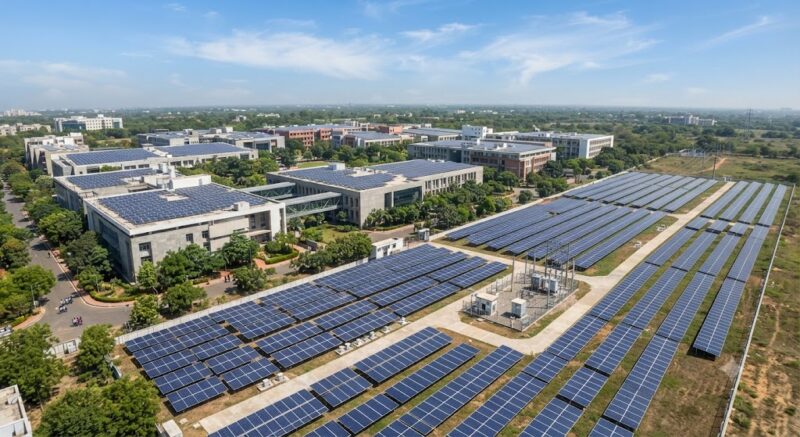
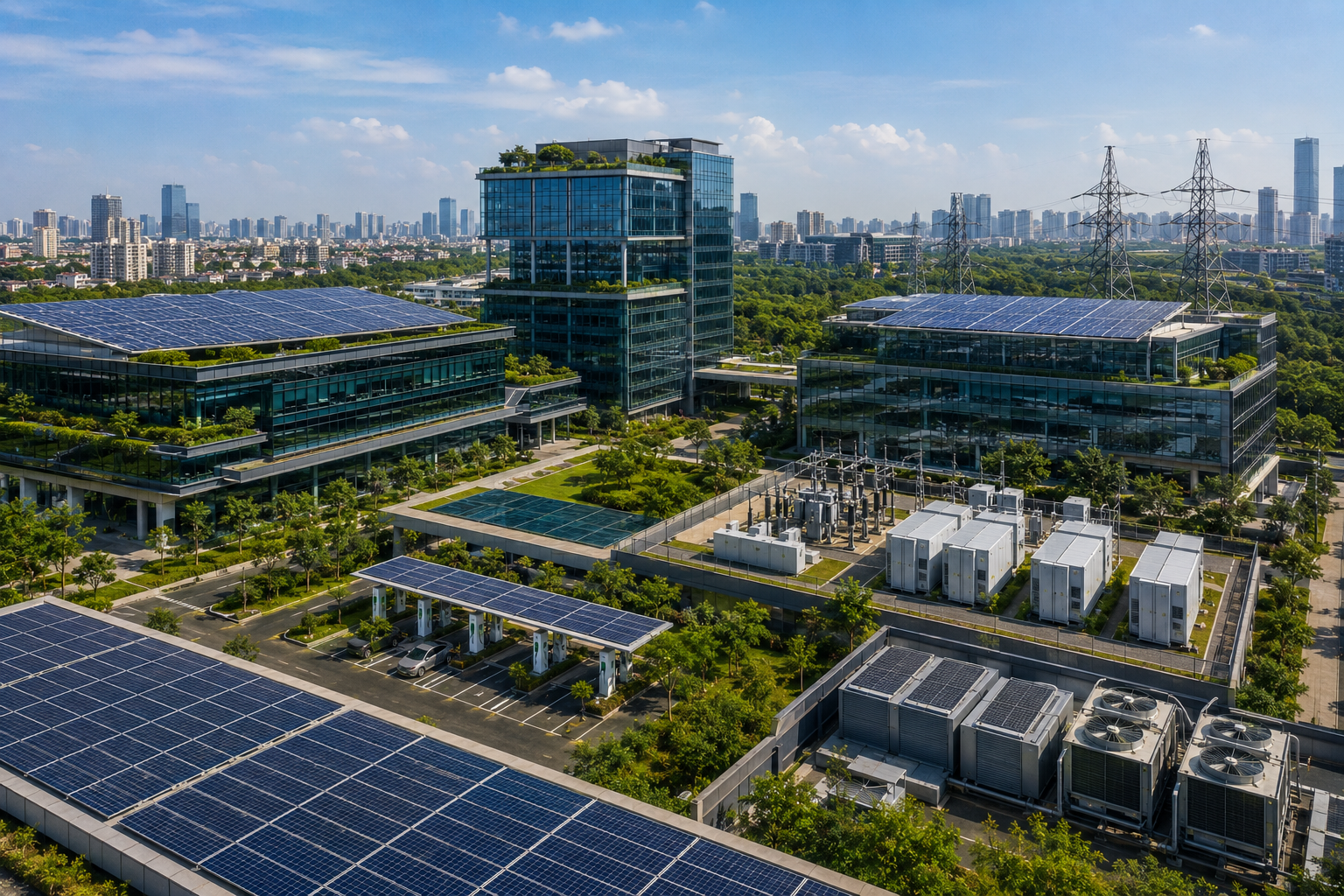
The proposed regulation is expected to accelerate the adoption of green building technologies, including rooftop solar systems, smart lighting controls, high-efficiency cooling systems, battery energy storage systems (BESS), and advanced Building Energy Management Systems (BEMS). These technologies can significantly reduce energy consumption while improving occupant comfort and operational efficiency.
Industry experts believe the move will further strengthen India’s green building ecosystem by encouraging developers, architects, and facility managers to prioritize energy-efficient construction. The initiative also complements India’s long-term objectives of improving energy security, reducing carbon emissions, and achieving greater sustainability across the built environment.