 openaccessexchange@gmail.com
 Mon - Fri: 9 AM to 8 PM


Land Roadblocks Stifle Growth in India’s Solar Open Access Market
 April 13, 2026
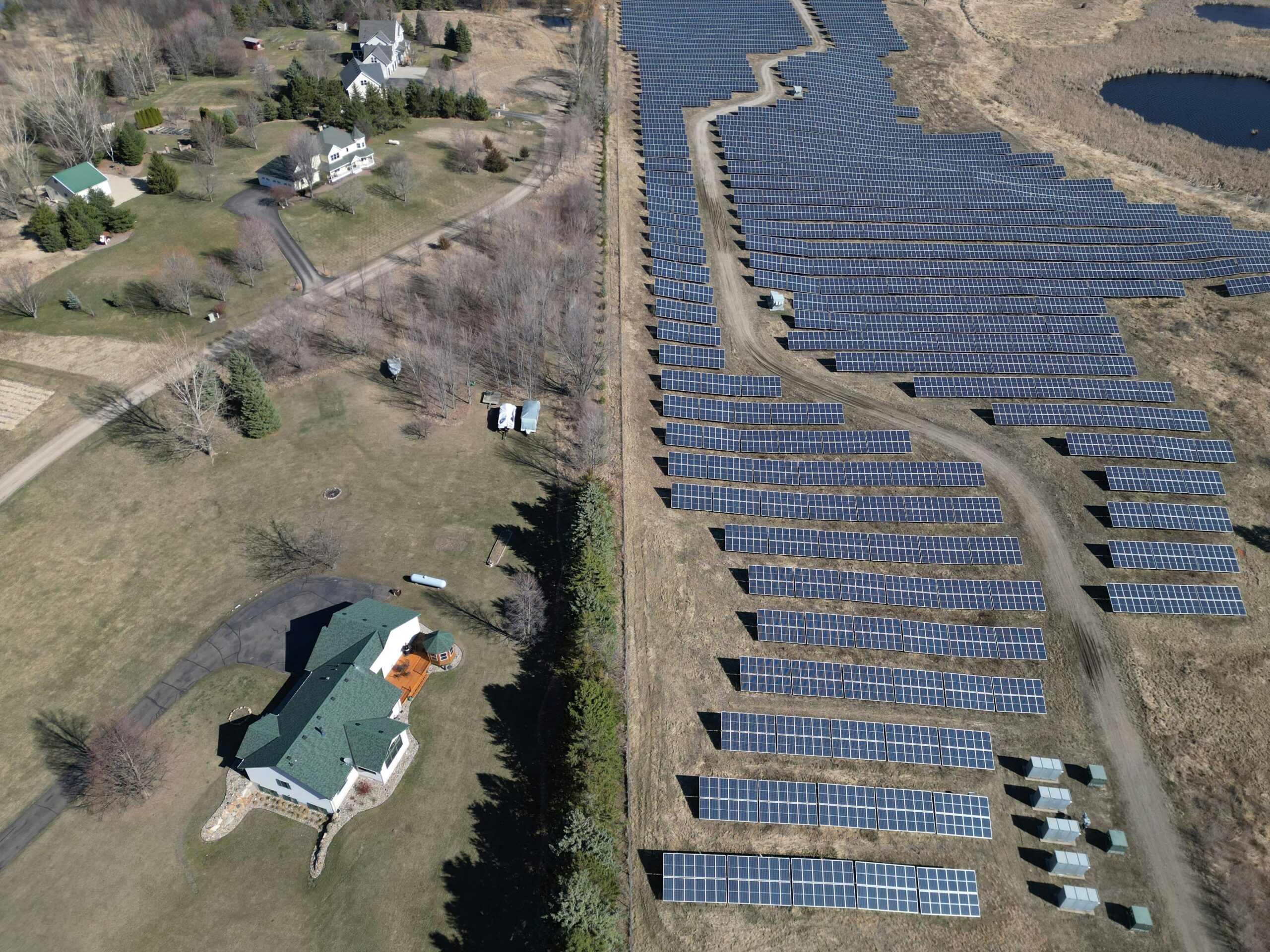
India’s solar open access market—a vital avenue for businesses to go green—is facing a significant growing pain: a shortage of usable land. Despite high demand from corporate consumers and a record-breaking year for solar overall, the expansion of open access projects remained nearly flat in 2025. Industry experts point to a complex web of fragmented ownership, unclear land titles, and slow regulatory approvals as the primary reasons why developers are struggling to get new projects off the ground.
Acquiring the “contiguous, litigation-free” land needed for a solar farm is becoming a Herculean task. In many states, developers spend six to twelve months just on land aggregation and conversion. Because land parcels are often small and split among multiple owners, a single project might require negotiating with dozens of farmers, some of whom may hold outdated or unrecorded titles. This “negotiation fatigue” often pushes projects into remote areas where land is cheaper, but this move creates a new set of problems: higher transmission costs and longer evacuation distances. As one developer noted, “any delay in land directly defers the value for the customer,” pushing back the date when a factory can finally start seeing savings on its power bill.
To adapt, the industry is getting creative. Many developers are shrinking their project sizes—focusing on 10-50 MW “distributed clusters” rather than massive single-site plants—to make better use of smaller, available land parcels. There is also a renewed push for floating solar on reservoirs, which avoids land conflicts entirely, though this comes with higher technical costs. States like Uttar Pradesh are leading the way by allowing solar projects on agricultural land without requiring a lengthy conversion process. However, for India to reach its true open access potential, experts agree that a multi-pronged approach is needed: further digitization of land records, the creation of dedicated “renewable energy zones,” and a more streamlined “single-window” clearance system that moves as fast as the transition itself.