 openaccessexchange@gmail.com
 Mon - Fri: 9 AM to 8 PM


Living with Oil Risk: Why India Needs a "Fossil-Fuel Intensity" Metric in 2026
 April 7, 2026
As of March 2026, the global energy landscape is once again being rattled by volatility. With the “Indian basket” of crude oil prices surging by over 50% compared to last year, a new analysis in The Hindu argues that India and the broader Global South need more than just “carbon intensity” targets to navigate this risk. The authors propose a new, more practical metric: Fossil-Fuel Intensity. While existing climate goals focus on emissions, they often fail to measure a country’s actual structural vulnerability to sudden oil, gas, and coal supply shocks.
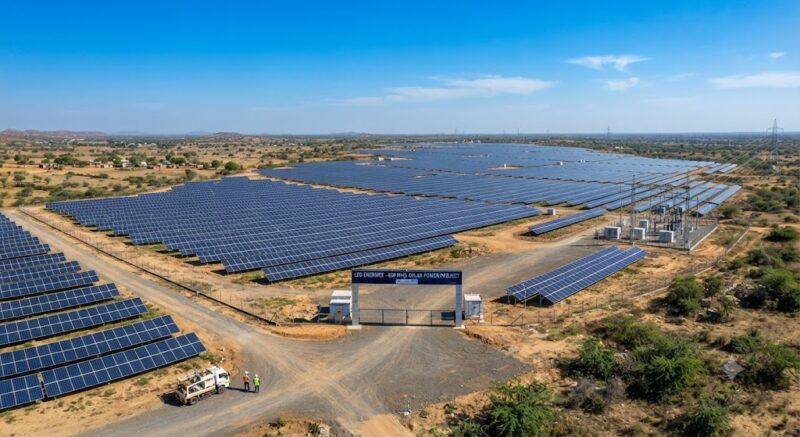
For countries like India, the “energy paradox” is becoming impossible to ignore. Despite being a world leader in renewable energy deployment, India’s aggregate consumption of petroleum products has risen by 40% over the last decade. With import dependencies standing at 89% for crude oil and 47% for natural gas, even the most successful green transition can be undermined by geopolitical tensions in regions like West Asia. The proposed “Fossil-Fuel Intensity” metric would measure total fossil fuel consumption relative to economic output, providing a clearer picture of how “shock-proof” an economy truly is.
The call for this new metric comes at a critical time. While developed nations are seeing their peak demand for fossil fuels arrive, most of the Global South will see demand grow well into the next decade. By adopting a composite vulnerability index—which factors in income levels, historical emissions, and fuel-substitution progress—policymakers can better attract climate finance and design targeted interventions. The goal is to move beyond simple comparisons with the West and instead focus on three urgent priorities: reducing import dependence, accelerating strategic electrification (from railways to households), and replacing transition fuels with truly green alternatives like green hydrogen and biofuels.