 openaccessexchange@gmail.com
 Mon - Fri: 9 AM to 8 PM



Rajasthan and Gujarat Anchoring Over 34% of India’s 274 GW Renewable Capacity
 April 25, 2026
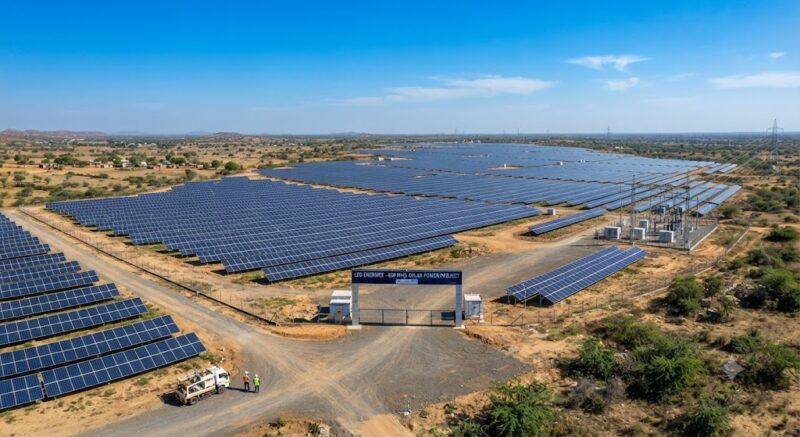
India’s green energy revolution is charging ahead with a total installed renewable capacity of 274,688 MW as of March 2026. However, the data reveals a stark geographical concentration, with two western giants—Gujarat and Rajasthan—together contributing over 34% of the nation’s total clean power. Gujarat currently holds the top spot with an installed capacity of 47,178 MW (17.18% of the national total), closely followed by Rajasthan at 47,020 MW (17.12%). While Rajasthan dominates through its sprawling solar parks, Gujarat’s lead is attributed to a balanced mix of both solar and wind energy.
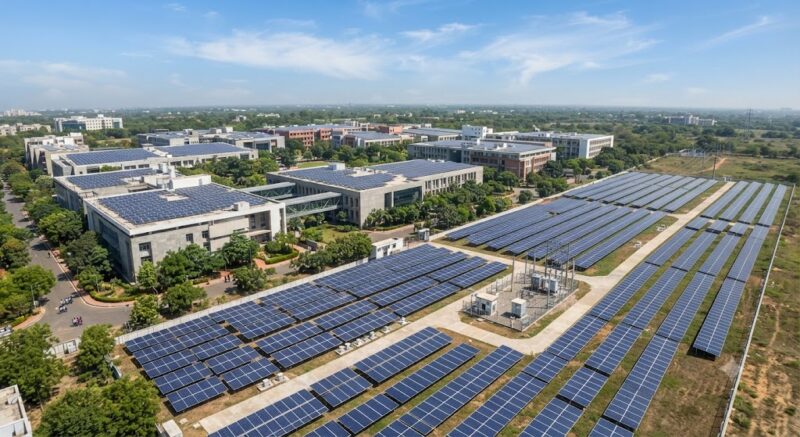
Solar energy continues to be the undisputed leader of the renewable pack, accounting for over 150 GW of the total capacity. The growth is primarily driven by massive ground-mounted utility projects, though rooftop solar is gaining steady traction, now contributing over 25 GW. Wind energy remains a robust second at 56 GW, while large hydroelectric projects provide a steady 51 GW backbone to the grid. Other states making significant contributions include Maharashtra (known for its bio-power), Tamil Nadu (a wind energy leader), and Karnataka.
The report also highlights a growing trend toward decentralized energy. Under schemes like KUSUM, off-grid solar systems have reached nearly 5.8 GW, helping farmers in states like Haryana and Rajasthan integrate clean energy into agriculture. Despite these successes, experts point to a significant “energy gap,” with several smaller states and union territories still having capacities below 150 MW. For India to meet its long-term security goals, the next phase of growth will need to move beyond these established hubs and ensure a more balanced distribution of green infrastructure across the entire subcontinent.