 openaccessexchange@gmail.com
 Mon - Fri: 9 AM to 8 PM



The "Implementation Gap": Why India’s Renewable Surge is Facing Unexpected Headwinds
 April 15, 2026
A recent investigative report has cast a spotlight on the growing pains of India’s ambitious renewable energy transition. While the country has been lauded globally for its rapid capacity additions, the report suggests that “on-the-ground” bottlenecks—ranging from a strained national grid to protectionist trade policies—are creating a significant gap between installed potential and actual power delivery.
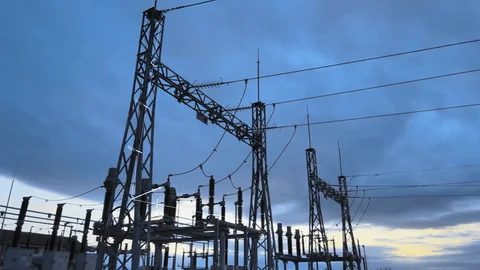
One of the primary concerns highlighted is grid saturation. In many resource-rich states, solar and wind projects are being completed faster than the transmission lines required to carry that power to industrial hubs. This has led to “curtailment”—where grid operators essentially tell solar farms to stop producing power because the wires can’t handle the load. Furthermore, the report delves into the impact of import duties on solar modules. While intended to boost domestic manufacturing, these tariffs have spiked project costs for developers who argue that local production hasn’t yet reached the scale or technological parity needed to meet national targets.
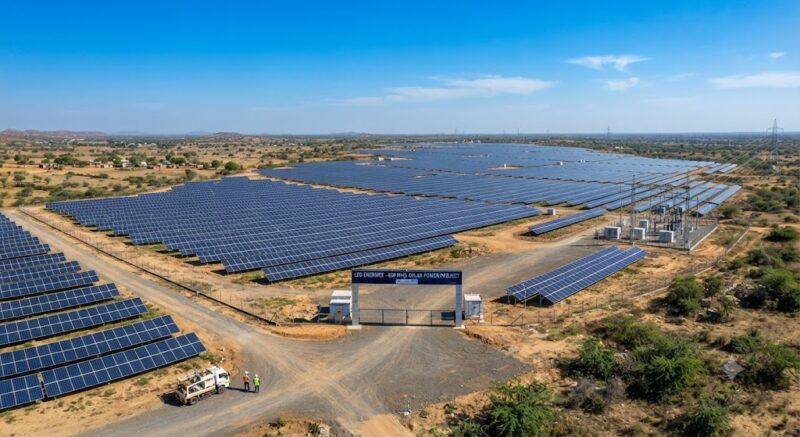
The report also touches upon the social and environmental complexities of land acquisition. In states like Rajasthan and Gujarat, large-scale “Ultra Mega” solar parks are increasingly running into friction with local communities over land rights and water usage in arid regions. Despite these hurdles, the consensus remains that India’s trajectory is irreversible. The challenge now, as the NYT notes, is shifting the focus from “adding megawatts” to “fixing the plumbing”—modernizing the grid, streamlining land laws, and balancing the need for domestic industry with the urgent requirement for low-cost green hardware.