 openaccessexchange@gmail.com
 Mon - Fri: 9 AM to 8 PM


New Storage Rules Could Transform Rooftop Solar Investment Decisions
 June 17, 2026
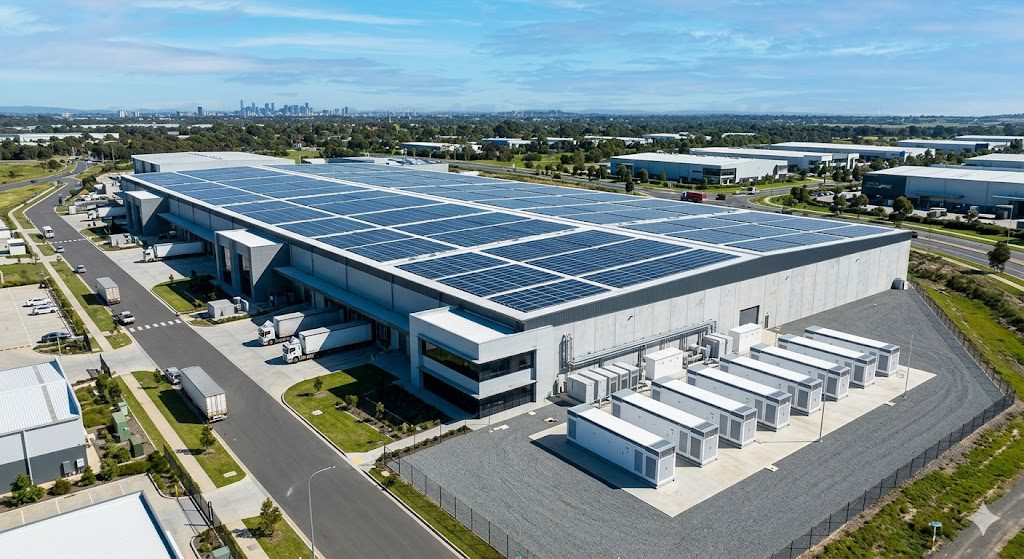
Maharashtra’s rooftop solar market is entering a new phase as recent policy changes place greater emphasis on energy storage alongside solar installations. Under the state’s renewable energy and storage policy, new rooftop and grid-connected renewable energy projects above 100 kW are required to include battery energy storage systems. The move is designed to improve grid stability and help consumers better manage electricity consumption during non-solar hours.
The new framework is expected to significantly influence the financial calculations behind rooftop solar investments. Previously, many commercial and industrial consumers relied on banking mechanisms that allowed excess daytime solar generation to offset electricity consumption during other periods. However, revised regulations have narrowed the banking window and increased the importance of storing surplus solar energy for later use. As a result, battery storage is shifting from an optional enhancement to a core component of many future solar projects.
While adding storage increases the upfront cost of a rooftop solar system, industry experts believe it can improve long-term value by enabling greater self-consumption of solar energy, reducing dependence on grid power during high-tariff periods, and improving energy reliability. Businesses operating during evening hours, including manufacturing facilities, warehouses, data centres, and commercial establishments, may find additional benefits from storing solar power generated during the day and using it when electricity costs are higher.
The policy also aligns with a broader trend toward energy storage adoption across India. As renewable energy capacity continues to grow, storage technologies are increasingly viewed as critical for balancing supply and demand, improving grid flexibility, and supporting the integration of higher levels of clean energy. Maharashtra’s latest move could serve as a model for other states considering similar approaches to strengthen renewable energy infrastructure while maintaining grid reliability.