 openaccessexchange@gmail.com
 Mon - Fri: 9 AM to 8 PM


Industries Play a Bigger Role in India's Clean Energy Future
 July 4, 2026
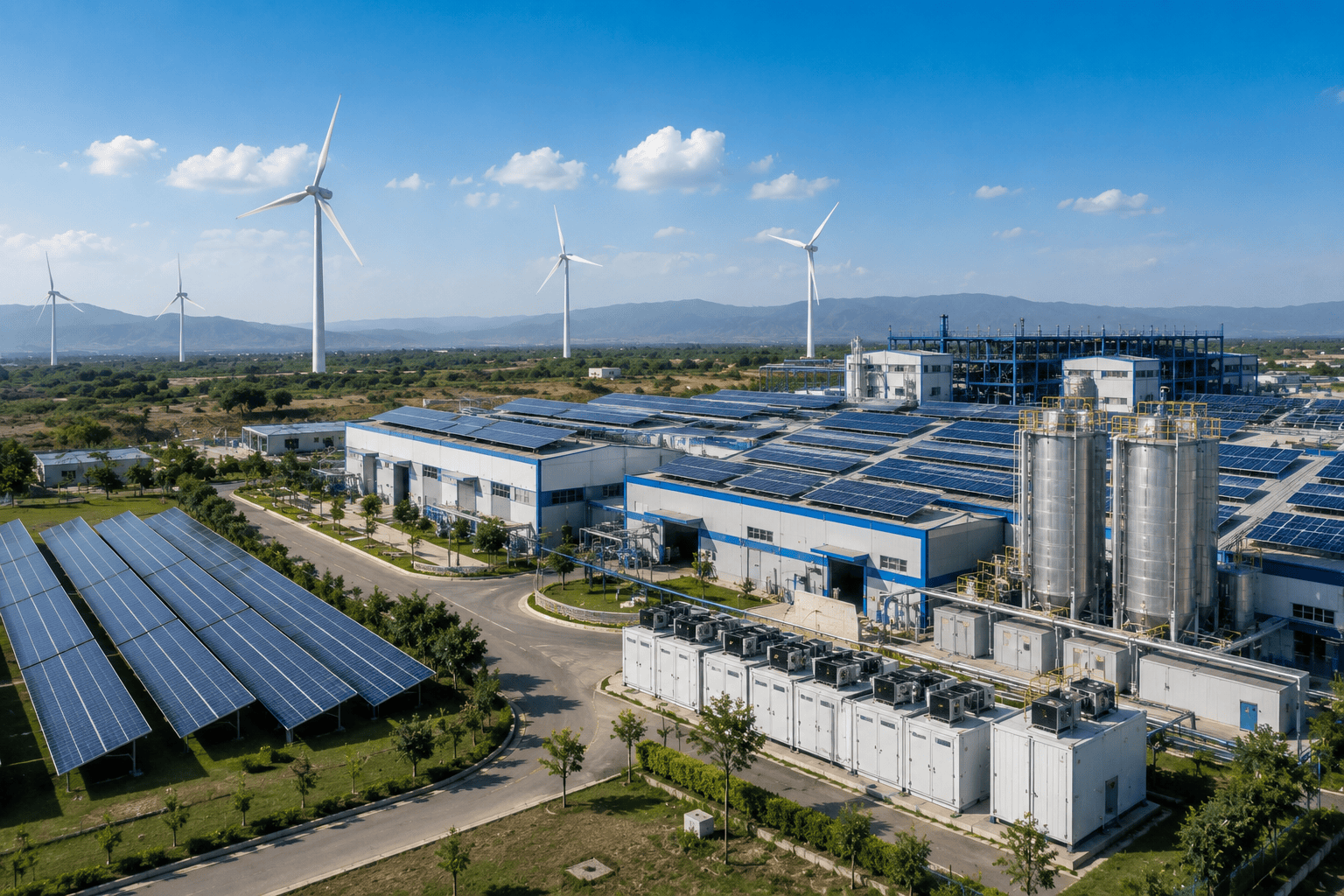
India’s clean energy transition is entering a new phase where reducing emissions from industrial operations is becoming just as important as expanding renewable energy generation. Heavy industries such as steel, cement, chemicals, manufacturing, and refining account for a significant share of the country’s energy consumption and carbon emissions. As India works toward its long-term climate commitments, decarbonizing these sectors is expected to play a major role in achieving sustainable economic growth while strengthening industrial competitiveness.
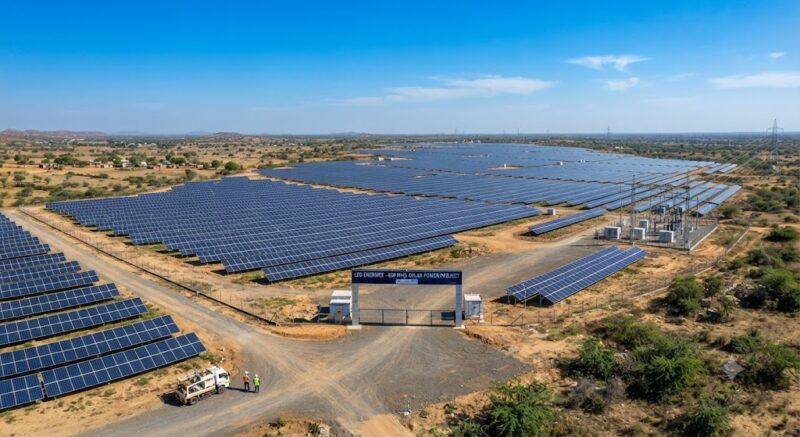
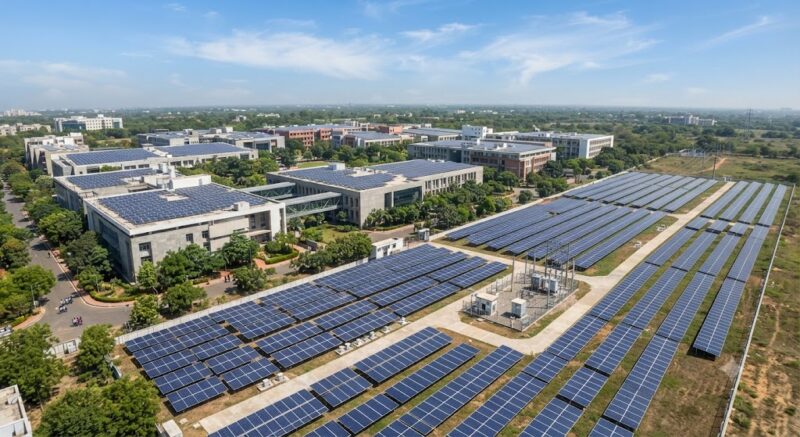
Industries are increasingly exploring renewable power procurement, energy efficiency improvements, electrification of industrial processes, battery energy storage, and green hydrogen as practical pathways to reduce emissions. Beyond environmental benefits, these investments can help businesses lower long-term operating costs, reduce exposure to volatile electricity prices, and meet the growing sustainability expectations of global customers, investors, and supply chain partners. Companies that begin their decarbonization journey today are likely to be better positioned as international markets continue to prioritize low-carbon manufacturing.
The transition will require collaboration between policymakers, renewable energy developers, technology providers, and industrial consumers. Supportive regulations, investments in transmission infrastructure, advances in energy storage, and wider access to open access renewable power are expected to accelerate industrial decarbonization across India. As clean technologies become more affordable and scalable, industries have an opportunity to transform sustainability from a compliance requirement into a long-term business advantage.