 openaccessexchange@gmail.com
 Mon - Fri: 9 AM to 8 PM


Evaluating the Real Cost and Benefits of Rooftop Solar Investments
 June 24, 2026
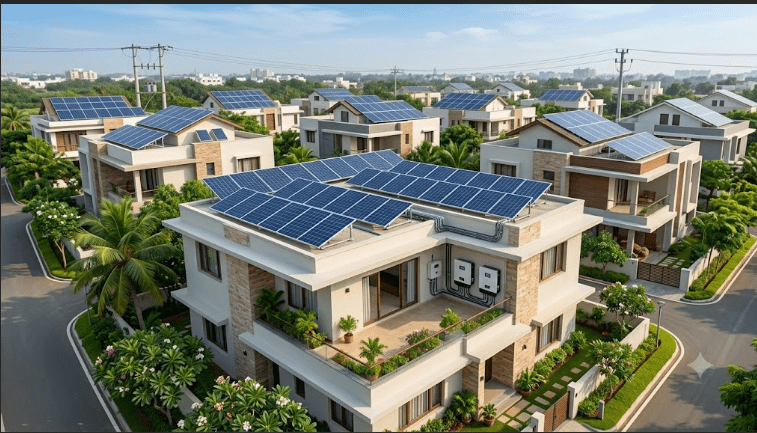
The PM Surya Ghar initiative has played an important role in encouraging rooftop solar adoption across India by reducing upfront installation costs for households. However, industry experts suggest that there are situations where consumers may benefit from moving ahead with a solar installation without waiting for subsidy approvals. As demand for rooftop solar continues to rise, factors such as project timelines, electricity savings, and financing options are becoming increasingly important in investment decisions.
For some homeowners, the value of generating electricity and reducing utility bills immediately may outweigh the financial benefit of waiting for subsidy disbursement. Delays in approvals, documentation requirements, and installation backlogs can sometimes extend project timelines, leading consumers to evaluate whether faster deployment offers greater long-term savings. In cases where electricity consumption is high, the cumulative savings from early solar generation can partially offset the absence of subsidy support.
The broader rooftop solar market continues to evolve as financing options improve and solar equipment costs become more competitive. While government incentives remain an important driver of adoption, consumers are increasingly focusing on total project economics, payback periods, and long-term energy savings. Industry stakeholders believe that as awareness grows, households will have greater flexibility in choosing the solar investment approach that best aligns with their financial goals and energy needs.