 openaccessexchange@gmail.com
 Mon - Fri: 9 AM to 8 PM



India's Power Capacity May Double by 2036, Led by Solar Growth
 March 20, 2026
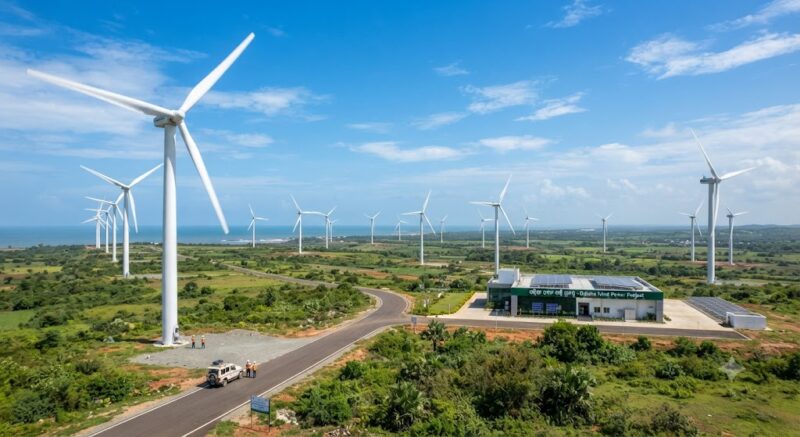
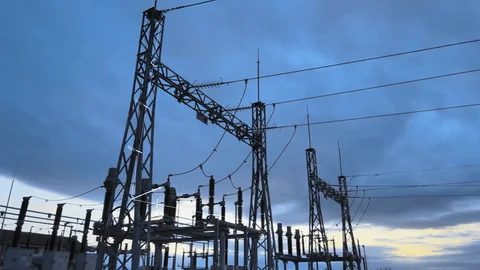
India’s total installed power generation capacity could nearly double over the next decade, with solar energy positioned as the primary driver of this expansion. Industry analysts and government projections both point to an accelerating transition away from fossil fuel-based generation, with solar photovoltaic (PV) technology expected to account for the largest share of new capacity additions through 2036.
India’s Current Power Landscape
India currently operates one of the world’s largest power systems, with total installed capacity exceeding 950 GW across thermal, hydro, nuclear, and renewable sources. Of this, renewable energy — including solar, wind, small hydro, and biomass — now represents a growing but still minority share of total generation.
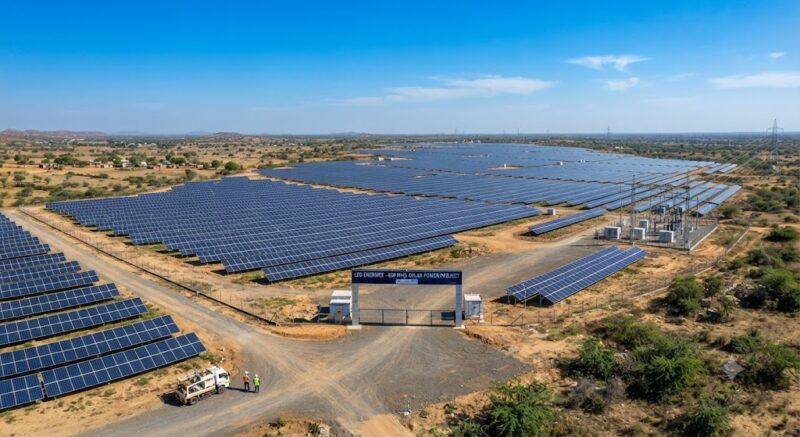
Solar energy has been the fastest-growing segment within renewables, driven by falling panel costs, strong government policy support, and increasing corporate demand for green power. India’s installed solar capacity has grown from under 10 GW a decade ago to over 100 GW today, making it one of the fastest solar expansions in history.
What the Doubling Projection Means
If current growth trajectories continue — supported by government targets, competitive renewable tariffs, and rising electricity demand — India’s total installed power capacity could reach 1,800–2,000 GW by 2036. Solar is expected to contribute the single largest share of this expansion, potentially accounting for 500–700 GW of new capacity.
This growth will be driven by several factors including utility-scale solar parks, rooftop solar installations under schemes like PM Surya Ghar, open access procurement by commercial and industrial consumers, and hybrid renewable energy projects combining solar with wind and storage.
What This Means for Businesses
For businesses currently evaluating their energy procurement strategy, India’s projected capacity doubling has important implications. A rapidly expanding renewable energy market means greater competition among generators, which typically drives down power purchase agreement (PPA) tariffs — creating better pricing opportunities for businesses that lock in long-term green energy contracts now.
Additionally, as solar capacity expands, grid-scale storage and smart energy management solutions will become increasingly important, creating new options for businesses to optimise their energy costs and carbon footprint simultaneously.
The businesses best positioned to benefit from India’s energy expansion are those that begin their transition to renewable procurement early — securing competitive tariffs before the market matures and pricing stabilises at higher levels.
Use our Solar Cost Savings Calculator to estimate your potential savings under today’s open access tariffs.