 openaccessexchange@gmail.com
 Mon - Fri: 9 AM to 8 PM


How Solar and Wind Energy Can Strengthen India’s Energy Independence
India’s energy future is increasingly linked to its ability to reduce dependence on imported fossil fuels. Rising energy demand, global price volatility, supply-chain disruptions, currency fluctuations and geopolitical risks have made energy security a strategic priority.
According to the Onix Renewable article, more than 60% of India’s LPG demand and more than 80% of its crude-oil requirements are met through imports. This exposure creates economic and strategic vulnerabilities as global energy markets change.
Renewable Energy as a Strategic Alternative
India has significant solar and wind resources, creating an opportunity to shift from imported fuels toward domestically generated clean electricity. The article highlights solar and wind not simply as alternatives to conventional energy, but as foundations for a more self-reliant energy system.
Solar power can support electrification across residential and industrial applications while reducing dependence on conventional fuels. At the same time, wind energy can contribute large-scale electricity generation and help diversify the country’s energy mix.
Energy Independence Goes Beyond Electricity
The transition to renewables has implications beyond clean power generation. Greater renewable deployment can support:
- Energy security by reducing exposure to international fuel markets
- Economic resilience through lower dependence on imported energy
- Industrial growth through investment, employment and innovation
- Environmental improvement through lower emissions
- Infrastructure resilience through a more diversified energy system
The article therefore frames renewable energy as both an environmental opportunity and a strategic component of national development.
Solar and Wind: The Core of the Transition
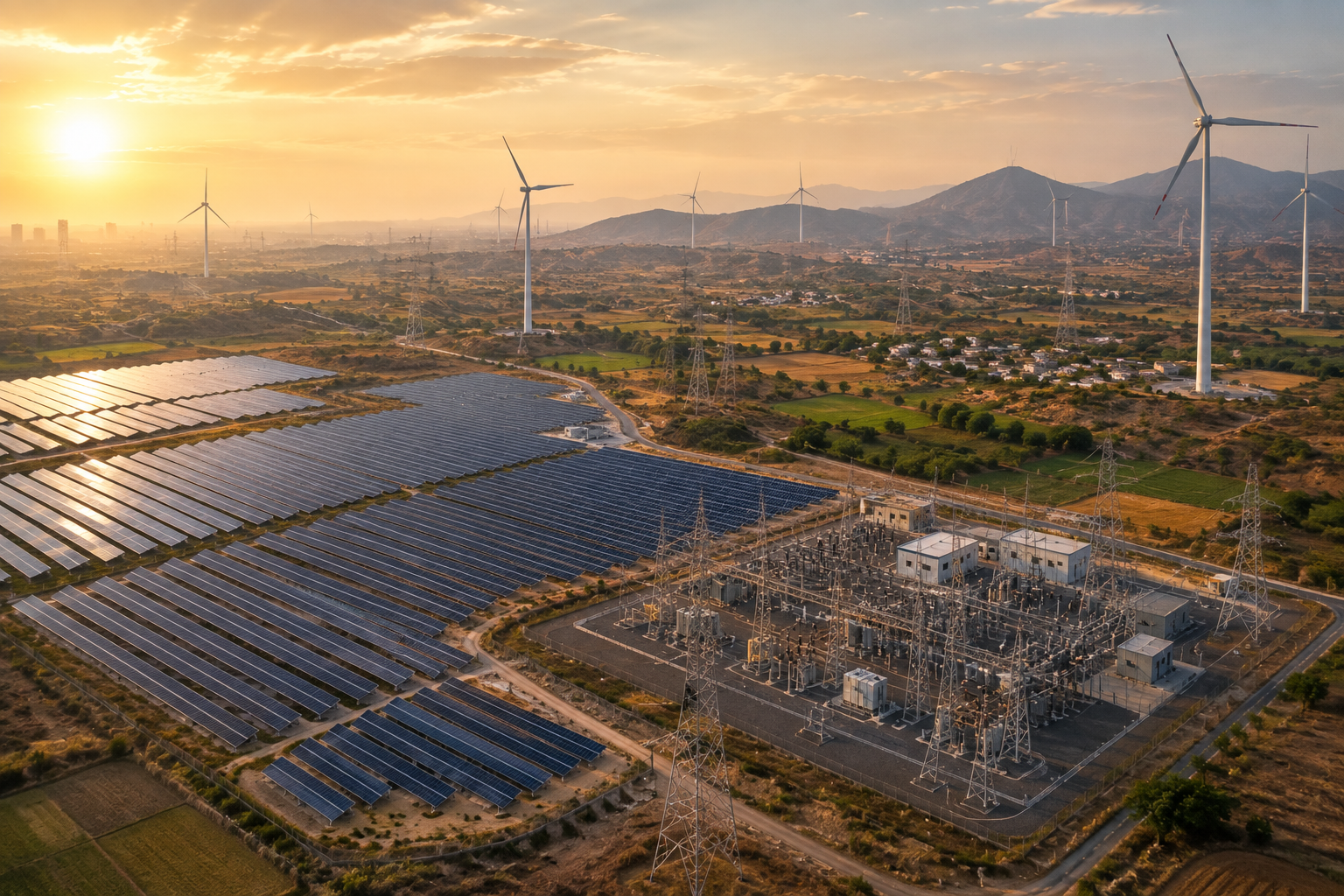
Solar and wind can work together to create a broader renewable-energy ecosystem. Solar generation can provide substantial daytime electricity, while wind can diversify generation patterns and strengthen the overall renewable mix.
The next phase of India’s transition will also depend on infrastructure capable of integrating renewable generation at scale. The article points to solar parks, wind corridors and hybrid energy systems as important elements of this emerging ecosystem.
The Road Ahead
India’s journey toward energy independence will require continued policy support, technological innovation, infrastructure development and private-sector investment. As renewable infrastructure expands, the country has an opportunity to move from simply adding clean-energy capacity toward building a more resilient and self-reliant energy system.
India’s energy transition is therefore not only about replacing fossil fuels with renewables. It is about strengthening energy security, supporting economic growth and gaining greater control over the country’s energy future.