 openaccessexchange@gmail.com
 Mon - Fri: 9 AM to 8 PM


India Moves to Strengthen Domestic Solar Manufacturing — New Policy Could Reshape Industry
 November 10, 2025
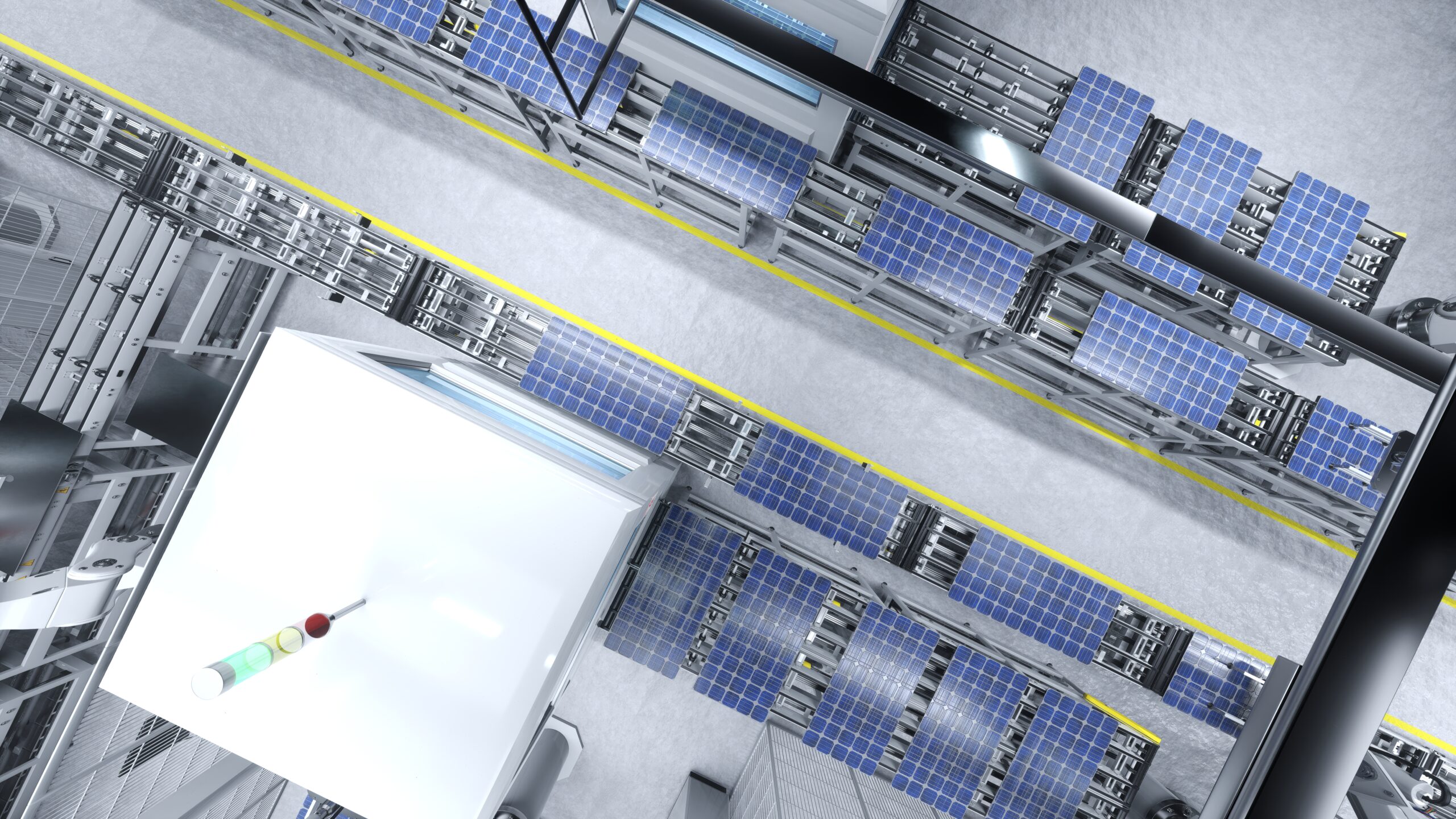
India has taken a significant step toward reducing its dependence on imported solar components with the release of “List-II” under the Approved List of Models and Manufacturers (ALMM) framework. The move, supported by research from the Council on Energy, Environment and Water (CEEW), is designed to deepen vertical integration in India’s solar manufacturing value chain by boosting domestic solar cell production alongside module manufacturing.
What Is ALMM List-II?
The ALMM framework was introduced to ensure quality control and encourage domestic sourcing in India’s solar sector. While List-I covers solar PV modules approved for use in government-backed projects, the newly introduced List-II focuses specifically on solar cells — the core component within every solar module.
The key provision: from June 2026, module manufacturers listed under ALMM List-I will be required to source solar cells exclusively from List-II certified manufacturers for projects installed within India. This effectively restricts the use of imported cells in domestically deployed solar projects and pushes manufacturers toward building or contracting from local cell production facilities.
Current State of Domestic Cell Manufacturing
As of November 2025, List-II includes seven companies with a combined solar cell manufacturing capacity of approximately 17.88 GW — representing around 60% of India’s estimated total cell manufacturing capacity of 29.66 GW.
While this is a meaningful start, it highlights a significant gap: India’s module manufacturing capacity already far exceeds its domestic cell production capability. This mismatch means that without rapid scaling of cell manufacturing, module makers could face supply constraints or cost pressures as the June 2026 deadline approaches.
Challenges Ahead
Industry observers have flagged several structural barriers to scaling up domestic cell manufacturing quickly:
- High capital requirements — Setting up cell manufacturing facilities requires substantial upfront investment, which remains a challenge for many Indian manufacturers without adequate financing support.
- Import dependency for inputs — Key raw materials and manufacturing equipment for solar cells are still largely imported, particularly from China, creating supply chain vulnerabilities.
- Skilled workforce gap — Cell manufacturing is technically demanding, and India currently lacks sufficient trained personnel to operate high-throughput production lines at scale.
Opportunity Under PLI Scheme
The Production Linked Incentive (PLI) scheme for solar PV manufacturing offers a significant opportunity to address these barriers. Manufacturers who qualify under PLI and invest in integrated cell-to-module production lines could benefit from financial incentives that make large-scale expansion economically viable.
If executed well, the ALMM List-II mandate combined with PLI support could meaningfully reduce India’s dependence on Chinese solar cell imports, improve overall product quality, and strengthen the domestic solar manufacturing ecosystem over the coming years.
What This Means for Businesses Using Solar
For businesses procuring solar energy through open access or rooftop installations, this policy shift is largely positive in the medium to long term. A stronger domestic supply chain means more stable equipment pricing, improved quality assurance, and reduced exposure to global supply chain disruptions.
Stay updated on India’s solar policy landscape through our News section, or explore your renewable energy options with our Solar Cost Savings Calculator.